Every year, hundreds of electrical fires occur, which is a major worry for homeowners. With the correct information and preventative actions, the majority of these fires may be prevented. This book will provide you with practical advice and insights to lower your home’s danger of electrical fires. You can make your family’s surroundings safer by adhering to these recommended practices. Get assistance from a qualified business like Cardiff Rewire if you’re ever unclear about the electrical safety of your house.
Recognizing the Electrical Fire Risks
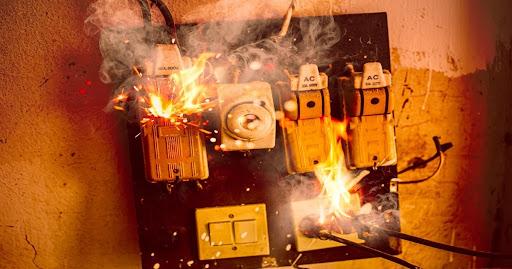
Common but avoidable problems like bad wiring, overloaded circuits, or outdated electrical systems are frequently the cause of electrical fires. Prevention begins with understanding the causes.
Typical Reasons for Electrical Fires:
- Bad Wiring: Sparks and overheating are more likely when the wiring is old or broken.
- Overloaded Circuits: Overheating can occur when too many gadgets are plugged into a single socket.
- Improper Use of Extension Cords: It’s risky to rely too much on extension cords as long-term fixes.
- Old or Defective equipment: Fires and short circuits can result from malfunctioning equipment.
“Electricity is a great servant, but a terrible master.” Unknown
The Best Ways to Avoid Electrical Fires
1. Make Wiring Upgrades
The electrical requirements of today may not be met by homes constructed more than 30 years ago. One of the main reasons for electrical fires is outdated wiring.
Fix:
Have your system inspected by a qualified electrician. If required, spend money on rewiring services to update the electrical system in your house.

2. Set up AFCIs
Arc defects, which can result in fires, are detected and prevented by AFCIs.
Advice:
For extra security, make sure your circuit breaker panel has AFCIs.
3. Don’t Overburden Outlets
A typical error that can cause circuits to overheat and catch fire is overloading outlets.
Best Practices:
- Keep the number of appliances per outlet to one.
- Steer clear of utilizing multiple high-wattage devices on the same circuit at once.
4. Inspect Your Electrical System Regularly
Regular examinations can identify any risks before they become more serious.
Things to Search for:
- Wires were frayed.
- Discolored outlets.
- Burning odors next to switches or outlets.
“An ounce of prevention is worth a pound of cure.” Benjamin Franklin
5. Change Out Old Appliances
Older appliances may have worn-out parts or no contemporary safety measures.
Suggestion:
- Switch to more recent, energy-efficient ones that have received safety certificates.
- Unplugging unneeded appliances lowers the danger of fire and avoids phantom loads.

6. Use extension cords responsibly
Extension cords are not intended as long-term fixes, but rather for short-term use.
Dos and Don’ts:
- Make use of cables rated for the appropriate voltage.
- Never join more than one extension cord.
- Replace frayed or broken cables right away.
7. Check Fire Detectors and Smoke Alarms
When it comes to spotting fires, smoke alarms are your first line of protection.
Checklist:
- Fit smoke detectors on each floor of your house.
- Test alarms every month and change the batteries once a year.
8. Avoid Putting Combustible Materials Near Electrical Sources
A fire can be started by placing combustible objects, such as furniture or drapes, too close to outlets and appliances.
Rule of thumb:
Keep electrical gadgets at least one meter apart from one another.
9. Teach Electrical Safety to Your Family
Every member of your family should be familiar with the fundamentals of electrical safety.
Easy Practices:
- Instruct kids not to put anything in the outlets.
- Make certain that everyone is aware of the location of the circuit breaker panel and how to turn off the electricity in an emergency.
10. Maintain Your Electrical System Frequently
You may avoid expensive repairs and possible catastrophes by practicing preventive maintenance.
Professionals in Hiring:
Businesses that specialize in electrical maintenance and inspections, such as Cardiff Rewire, guarantee the effectiveness and safety of your home’s system.

How to Respond to an Electrical Fire?
Even with your greatest efforts, mishaps may occur. This is how to react:
1. Switch Off The Electricity
Use the circuit breaker to turn off the electricity to the impacted area if it is safe to do so.
2. Make Use of The Appropriate Fire Extinguisher
A Class C fire extinguisher is necessary for electrical fires. Water should never be used on an electrical fire.
3. Get Out And Contact Emergency Personnel
Call 911 and leave your house right once if the fire is out of control.
For Your Electrical Requirements, Why Pick Cardiff Rewire?
Our specialty at Cardiff Rewire is providing expert rewiring, inspection, and maintenance services to make houses safer. You may feel secure knowing that your house satisfies contemporary safety regulations thanks to our staff of certified electricians.
Concluding remarks
With the correct information and preventative measures, electrical fires can be avoided. You may avoid needless hazards for your loved ones and your house by adhering to these recommended practices. To make sure your house is as secure as possible, request an examination with Cardiff Rewire right now rather than waiting for warning indications.
“Safety doesn’t happen by accident.” Unknown
The investment in your family’s protection is worthwhile. Act right now to protect your house from electrical fire hazards.