Your home’s electrical system is a complex network that powers your everyday existence. Circuit breakers and fuses, two essential parts intended to protect your family and property from electrical risks, lie at the core of this network. Without these safeguards, voltage spikes or overloaded circuits may result in electrical fires, broken equipment, or even bodily harm.
In this post, we’ll examine the roles of circuit breakers and fuses, highlight their distinctions, and offer advice on how to keep your electrical system safe. Experts like Cardiff Rewire are available by phone to help if you have any concerns regarding the security of your electrical system.
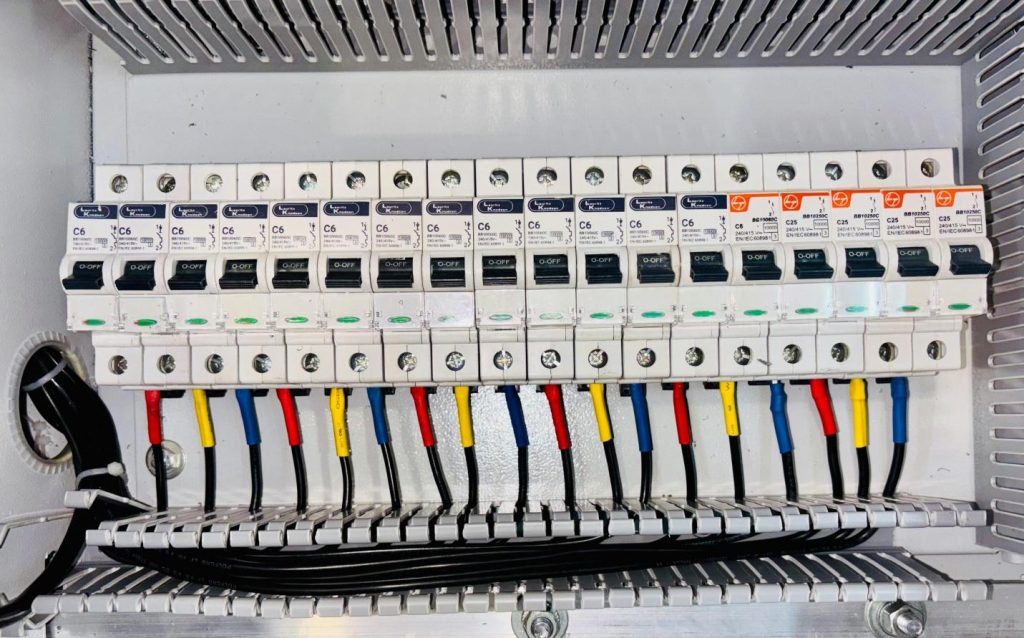
What Are Fuses and Circuit Breakers?
The function of fuses and circuit breakers is the same: to stop the flow of electricity in the case of a malfunction. Fires, short circuits, and overheating are avoided by this disruption. Let’s dissect how they operate.
Circuit Breakers
Automatic safety devices known as circuit breakers stop the flow of electricity when they sense an overload or short circuit.
- How They Operate: When a circuit breaker senses a problem, it trips, cutting the circuit. It can be reset when the issue has been fixed.
- Modern Standard: Due to their ease of use and reusability, circuit breakers are now the standard option in the majority of households.
Fuses
Simpler gadgets called fuses employ a tiny wire enclosed in a shell.
- How They Operate: The fuse breaks when the wire inside melts due to excessive electricity flowing through the circuit.
- Single-Use Design: Fuse replacement is required once blown.

The Value of Fuses and Circuit Breakers
Your electrical system would be exposed to potentially disastrous situations in the absence of these safeguards.
Here’s why they are so important:
1. Avoiding Overburdens
When a circuit is overloaded with electricity from too many appliances, an electrical overload develops. To stop overheating and possible fires, circuit breakers and fuses cut off the current.
2. Preventing Short Circuits
When a live wire comes into contact with a neutral wire or another conductive substance, an electrical surge occurs, causing a short circuit. To prevent damage and danger, these devices rapidly off the power.
3. Safeguarding Electronics and Appliances
Power surges may harm appliances and delicate gadgets. Fuse and circuit breakers serve as a barrier to keep your gadgets secure.
“Electricity is dangerous when left unchecked, but with proper safeguards, it becomes the tool that powers our world.” Anonymous
Key Differences Between Circuit Breakers and Fuses
| Feature | Circuit Breaker | Fuse |
|---|---|---|
| Reusability | Reset after tripping | Must be replaced after blowing |
| Speed of Response | Slower | Faster |
| Cost | Higher upfront cost | Lower upfront cost |
| Convenience | Can be reset | Requires replacement |
Although each has benefits, circuit breakers are used in the majority of contemporary homes for dependability and ease.
Symptoms of a Bad Fuse or Circuit Breaker
Over time, even these gadgets may malfunction. To make sure your system is functioning securely, keep an eye out for these warning indicators:
1. Blowing or Tripping Frequently
An overloaded or malfunctioning circuit is indicated if your circuit breaker trips or if your fuse blows often.
2. Burning Smell
Overheating components may be the cause of a burning smell close to your electrical panel.
3. Body Damage
Fuse or breakers that are cracked or burnt are obvious indicators that anything is amiss.
4. Your Electrical Panel’s Age
The electrical needs of today may be too much for older panels to handle.
Get in touch with a specialist like Cardiff Rewire right away for an assessment if you observe any of these problems.

Keeping the Electrical Setup Safe
The following advice will help you maintain the best possible system:
1. Frequent Examinations
Plan regular inspections with certified electricians to spot possible problems before they become serious.
2. Prevent Circuit Overload
To avoid overloads, spread your electronics and appliances over several circuits.
3. Make System Upgrades
Upgrade to a contemporary system if your house still employs antiquated circuit breakers or an old fuse box.
4. Examine your Circuit Breakers
Make sure your circuit breakers trip as intended by testing them regularly.
“An ounce of prevention is worth a pound of cure.” Benjamin Franklin
The Benefits of Cardiff Rewire
Electrical system inspections, circuit breaker upgrades, fuse box replacements, and full home rewiring are our areas of expertise at Cardiff Rewire. We put your happiness and safety first, making sure your electrical system satisfies contemporary requirements.
Concluding Remarks
The unsung heroes of your home’s electrical safety are fuses and circuit breakers. You may safeguard your loved ones and property against major risks by being aware of their responsibilities and making sure they are operating properly.
Cardiff Rewire can assist you if you need expert advice or have questions regarding your electrical setup. Let’s maintain your house modern, safe, and functional by scheduling a consultation now. Keep in mind that a reliable electrical system is the foundation of a secure house. Don’t hesitate; take action now to safeguard what is important!